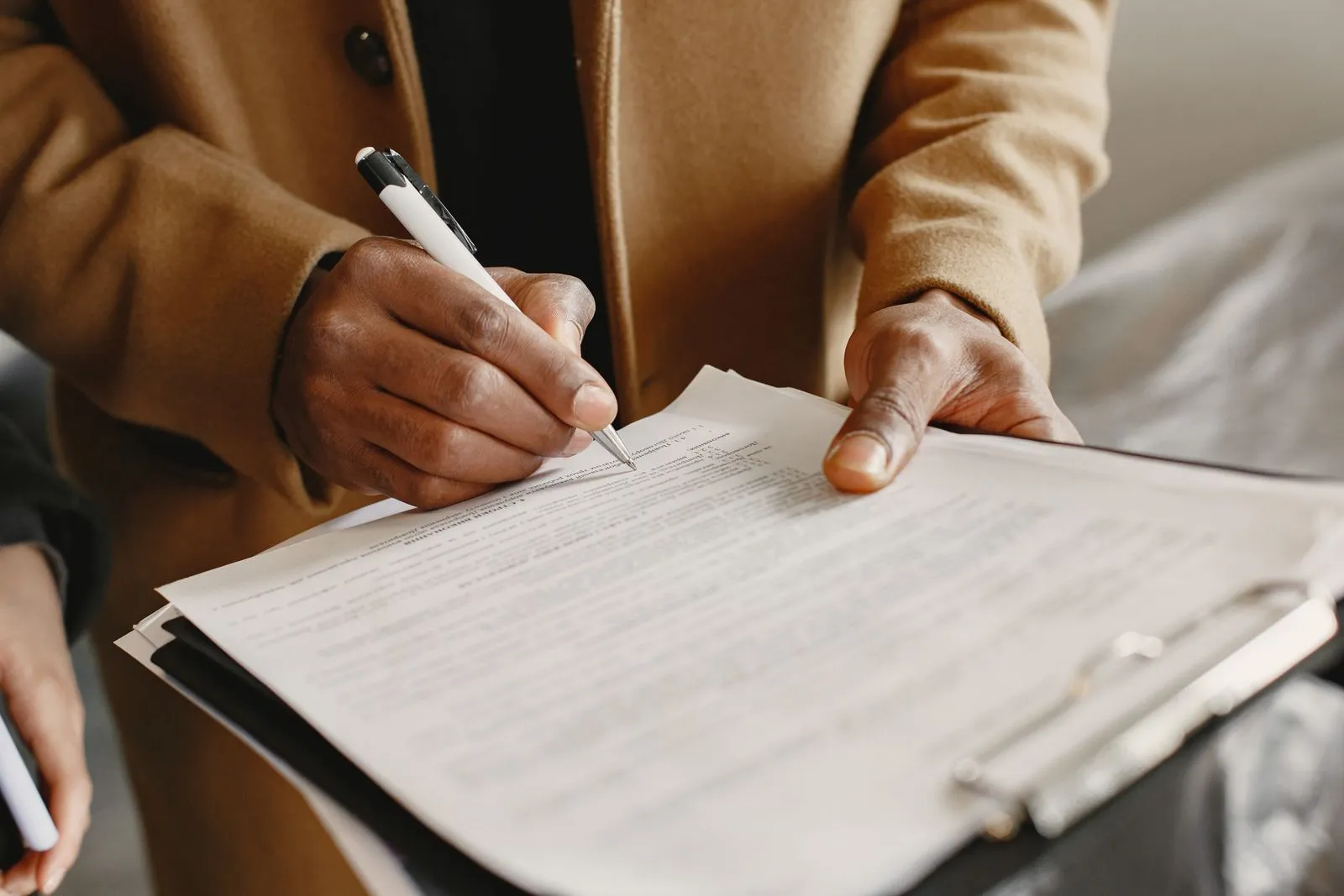
A first meeting with a divorce lawyer can feel easier when you know what to bring. You do not need a perfect file or every answer before you go. A clear overview of your finances, family situation, and priorities gives the lawyer a useful starting point. Gather what you can, note what is missing, and write down your questions. This checklist can help you use the consultation to understand possible next steps and what information may be needed later.
Gather Key Financial Records
Collect recent pay stubs, tax returns, and information about other income, such as bonuses, self-employment earnings, or benefits. Bring bank and investment account statements, retirement plan summaries, and records of debts, including credit cards, loans, and mortgages. If you cannot access an account, write down the institution and any details you know. Do not delay the meeting just because a document is missing.
Make a simple list of property and valuable belongings, such as a home, vehicles, or business interests. Note whose name is on each asset or debt, when it was acquired, and whether you know its approximate value. Include insurance policies and regular household expenses if available. Avoid transferring, hiding, or disposing of property before getting legal advice.
Prepare Family Information
Write down the date of your marriage, where you and your spouse live, and any dates that may matter, such as a separation date. If you have children, list their ages, schools, regular activities, and important health or support needs. Bring any existing court orders or written agreements about parenting time, support, or family finances.
Sketch your current caregiving routine: who handles school drop-offs, appointments, meals, and other responsibilities. Note any schedule concerns or arrangements that are working well. If there are safety concerns, urgent housing issues, or a need for temporary support, tell the lawyer early in the meeting. Share facts clearly and keep copies of relevant messages or records when they help explain the situation.
Make a Question List
Write down what you most need to understand. You might ask how the divorce process generally works, what decisions may need attention first, which documents to gather next, and how parenting arrangements or financial support are addressed. Ask what you should avoid doing while the case is pending. A short list helps you cover important concerns if the meeting feels stressful.
Ask practical questions about communication, expected next steps, and how the lawyer’s fees and billing work. You can also ask who will handle your matter and how to reach the office with follow-up questions. Bring a notebook or use your phone to record notes, with permission. You do not need to decide everything in the first consultation; focus on getting clear guidance about your options.
Organize What You Bring
Put documents in labeled folders or arrange digital files by topic: income, accounts, property, debts, children, and court papers. A one-page summary of your family, finances, and main concerns can save time. Keep original records at home when possible and bring copies or secure digital versions. Do not send sensitive documents through an unverified link or email address.
Before the meeting, confirm the appointment details and ask whether the lawyer wants particular documents in advance. If you have only partial records, bring your notes and explain what you could not obtain. Albany Family Law can help you understand what information may be useful for an initial discussion, but your preparation does not need to be complete for the conversation to begin.
A focused set of records, a clear account of your family’s needs, and a few written questions can make your first meeting more productive. Gather what is readily available and be open about what you do not know. Contact a divorce lawyer to discuss your situation and learn what steps may make sense for you.